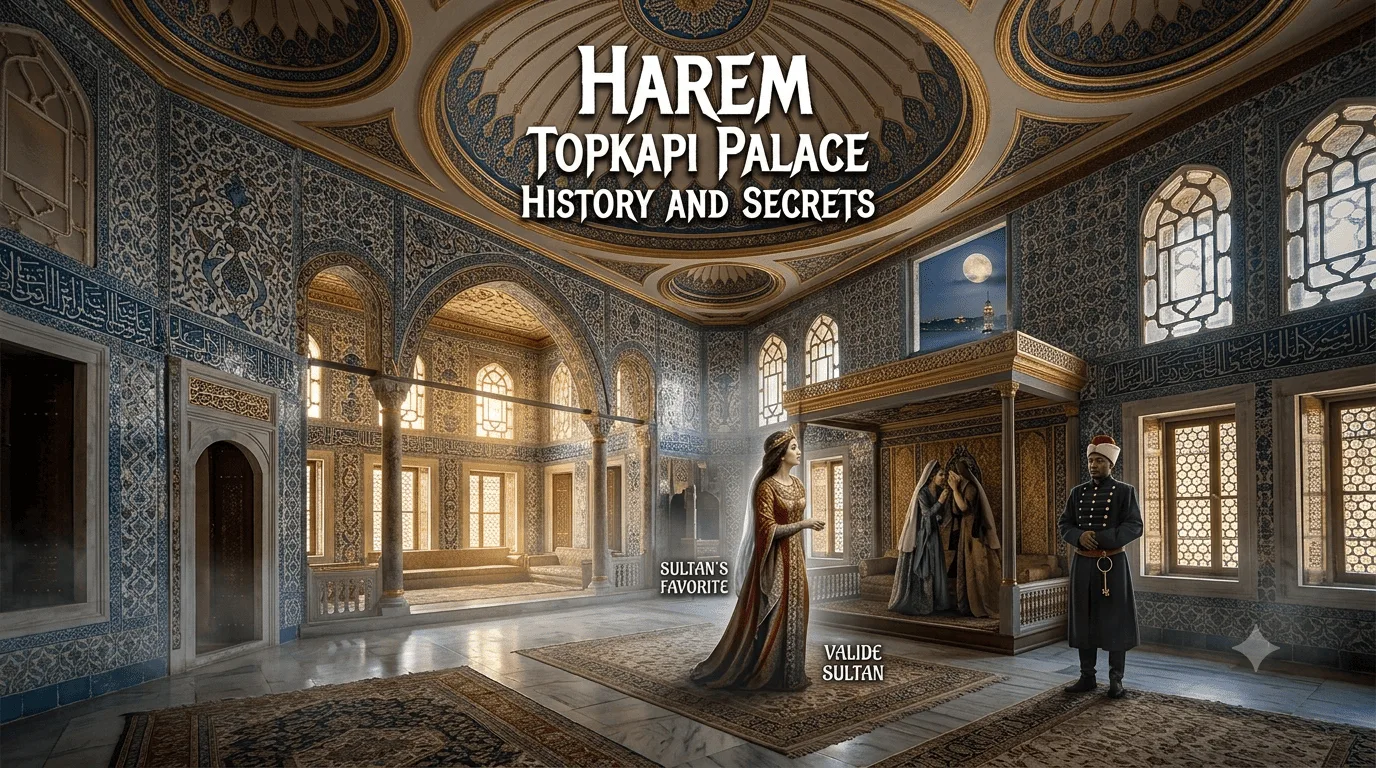
Harem Topkapi Palace History And Secrets
For centuries, the Ottoman Empire ruled across three continents, but its most guarded secrets were kept behind the heavily fortified stone walls of Istanbul. When discussing the Harem Topkapi Palace History And Secrets, visitors step into a hidden world of unmatched luxury, fierce political rivalry, and royal intrigue. Far from the exaggerated Western myths of purely decadent entertainment, the Imperial Harem functioned as a highly organized, secluded royal household where powerful women shaped the destiny of an empire.
Direct Answer: Understanding the Harem Topkapi Palace History And Secrets centers on recognizing it as both the private residence of the Sultan’s family and a formidable political arena. Governed by the Valide Sultan (Queen Mother) and guarded by Black Eunuchs, the Harem housed hundreds of educated concubines, royal children, and sultans within over 300 tiled chambers, courtyards, and secret passageways.
The Structure And Daily Life Behind The Golden Cage
To fully grasp the Harem Topkapi Palace History And Secrets, one must understand its strict hierarchical society and physical layout.
Key Pillars of the Harem Hierarchy:
-
The Valide Sultan (Queen Mother): The ultimate female authority in the palace. She managed the Harem budget, commanded imperial guards, and frequently exerted immense influence over her reigning son’s political decisions.
-
The Concubines (Cariyeler): Young women brought from across the empire’s provinces. They received rigorous education in language, Islamic theology, music, calligraphy, and royal etiquette.
-
The Favorited Consorts (İkballer and Kadınefendiler): Concubines chosen by the Sultan who bore him royal children, rising significantly in status, wealth, and private quarters.
-
The Chief Black Eunuch (Kızlar Ağası): The primary liaison between the secluded Harem and the outside world, holding immense administrative power and security oversight.
The Sultanate Of Women: Power Behind The Throne
One of the most captivating chapters in the Harem Topkapi Palace History And Secrets is the period known as the “Sultanate of Women” (Kadınlar Saltanatu) during the 16th and 17th centuries.
Key Figures Who Shaped History:
-
Hurrem Sultan (Roxelana): The Ukrainian-born concubine who broke centuries of Ottoman tradition by becoming the legal wife of Sultan Suleiman the Magnificent. She moved the imperial Harem into Topkapi Palace itself, establishing unprecedented political influence.
-
Kosem Sultan: Perhaps the most powerful woman in Ottoman history, Kosem ruled as official regent for her young son and grandson, effectively running the entire empire from within her tiled chambers.
-
Turhan Hatice Sultan: A formidable rival to Kosem, she secured her son’s throne through intense court diplomacy and oversaw massive public works and naval defenses.
Architectural Marvels And Hidden Passageways
Beyond political history, the Harem Topkapi Palace History And Secrets reveals astounding architectural brilliance crafted by royal architects like Mimar Sinan.
Must-See Chambers Inside the Harem:
-
The Courtyard of the Valide Sultan: Decorated with exquisite 17th-century Iznik tiles featuring botanical motifs and Quranic calligraphy.
-
The Imperial Hall (Hünkar Sofası): A grand domed reception hall featuring golden mirrors, royal thrones, and a raised balcony for musician ensembles where sultans hosted private celebrations.
-
The Twin Kiosks (Çifte Kasırlar): The luxurious quarters of the crown princes, featuring stained-glass windows, hand-painted wooden ceilings, and marble fountains designed for private study and seclusion.
Essential Visiting Tips For Topkapi Palace Harem
To make the most of your journey into the Harem Topkapi Palace History And Secrets, keep these travel tips in mind:
-
Separate Ticket Requirement: Entry to the Harem section requires a dedicated ticket or a full combo ticket for Topkapi Palace. Ensure your ticket covers the Harem entrance.
-
Audio Guides and Guided Tours: Because signage inside the maze-like chambers can be brief, using an audio guide or hiring an official licensed guide brings the hidden history to life.
-
Best Time to Visit: Head directly to the Harem section early in the morning right when the gates open at 09:00 AM to explore the tiled corridors before large tour groups arrive.
Frequently Asked Questions
What does the word “Harem” actually mean in Ottoman history? The word “Harem” comes from the Arabic root meaning “sacred,” “forbidden,” or “inviolable,” referring to the private family quarters protected from outsiders.
Could anyone enter the Harem in Topkapi Palace? No. Unauthorized men were strictly forbidden from entering on pain of death. Only the Sultan, his young sons, royal doctors, and official eunuchs were permitted inside.
How many rooms are inside the Topkapi Palace Harem? The Harem complex contains over 300 rooms, 9 baths, 2 mosques, hospital quarters, and several courtyards, though only a portion is open to the public as a museum route.


