Beyond the Blue Mosque: A Guide to Istanbul’s Magnificent (and Quieter) Imperial Mosques
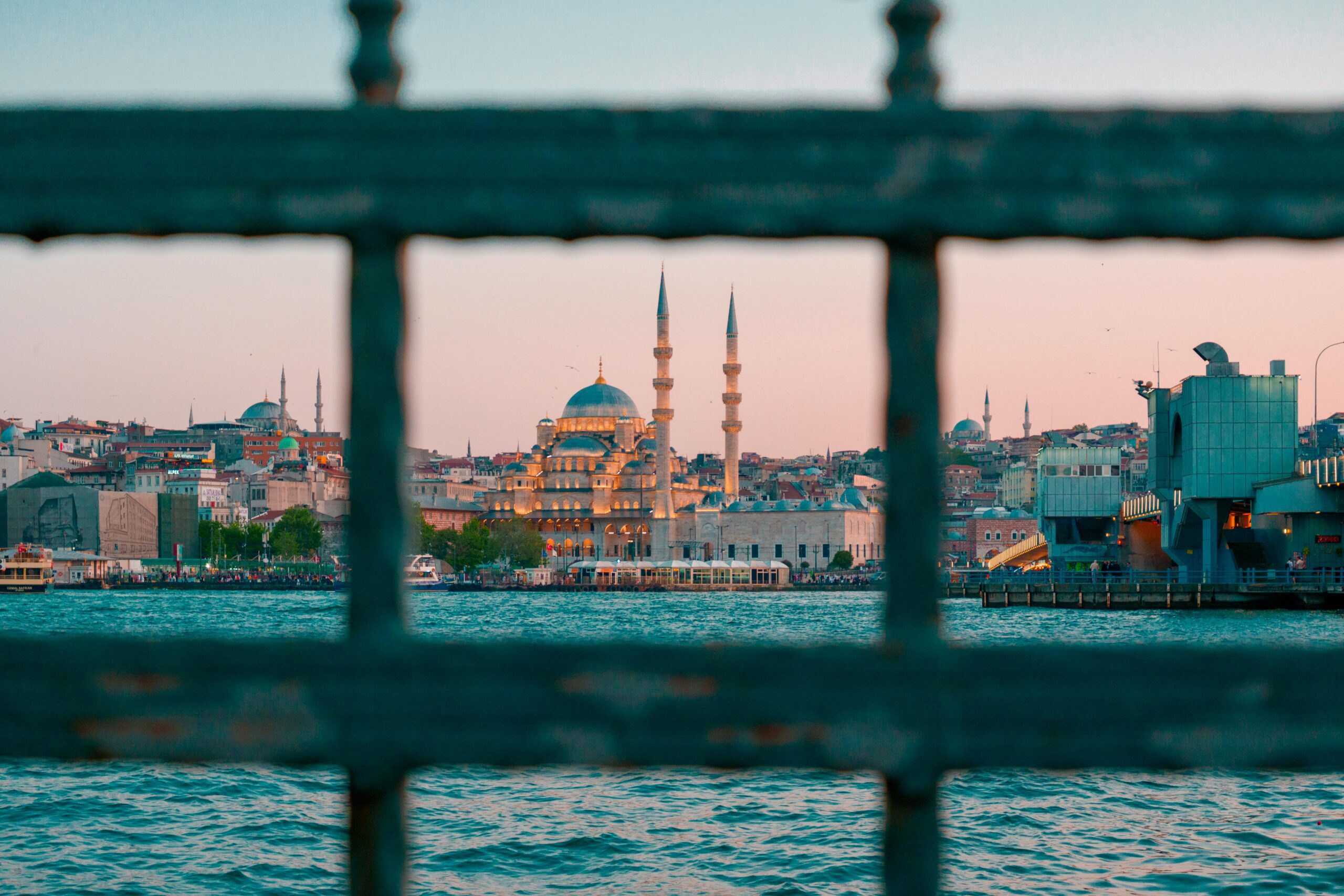
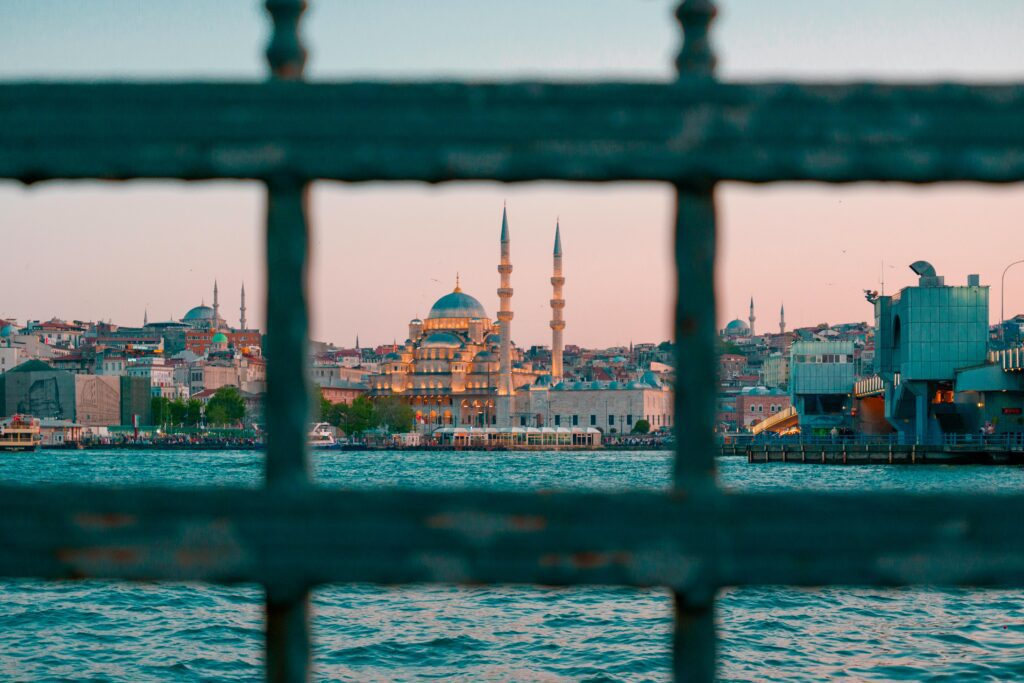
Istanbul’s skyline, a breathtaking panorama of domes and minarets, is instantly recognizable worldwide, largely thanks to the enduring fame of the Sultan Ahmed Mosque (the Blue Mosque) and the majestic Hagia Sophia. These iconic structures rightly draw millions, but they are just the beginning of Istanbul’s imperial mosque story. The city is graced by numerous other “Selatin Camileri” – imperial mosques commissioned by Ottoman Sultans – each boasting stunning architecture, rich history, and often, a more serene atmosphere for contemplation and discovery. This Istanbul Ottoman mosques guide invites you to venture beyond the well-trodden paths of Sultanahmet and uncover some of the magnificent lesser-visited imperial mosques Istanbul holds within its historic embrace, true hidden architectural gems Istanbul is waiting for you to explore.
What Makes an Imperial Mosque Special? A Glimpse into “Selatin Camileri”
The term “Selatin Camii” (plural of Sultan Camii, meaning Sultan’s Mosque) refers specifically to mosques commissioned by the Ottoman Sultans themselves or, occasionally, by very powerful members of the imperial family like the Valide Sultan (Queen Mother). These were not merely places of worship; they were grand statements of imperial power, piety, and architectural ambition.
Typically, imperial mosques are distinguished by their grand scale. A key visual cue is often the presence of multiple minarets – usually two, four, or even six (as in the Blue Mosque) – a feature generally reserved for sultanic foundations. The number of şerefes (balconies) on these minarets also held significance. Internally, vast, light-filled prayer halls are crowned by immense domes, showcasing sophisticated engineering and artistry.
Crucially, these mosques were rarely standalone structures. They formed the heart of a külliye, an extensive complex of charitable and public service buildings. A külliye could include medreses (theological schools), darüşşifa (hospitals), imaret (soup kitchens for the poor), hamam (public baths), kütüphane (libraries), tabhane (hospices), and the sultan’s own türbe (tomb). These complexes were vital centers of social, educational, and religious life, deeply integrated into the fabric of Ottoman society.
Architectural Marvels & Spiritual Sanctuaries: Must-Visit Imperial Mosques
While every imperial mosque has its own unique charm, here are a few truly exceptional examples that offer a rewarding experience beyond the Blue Mosque:
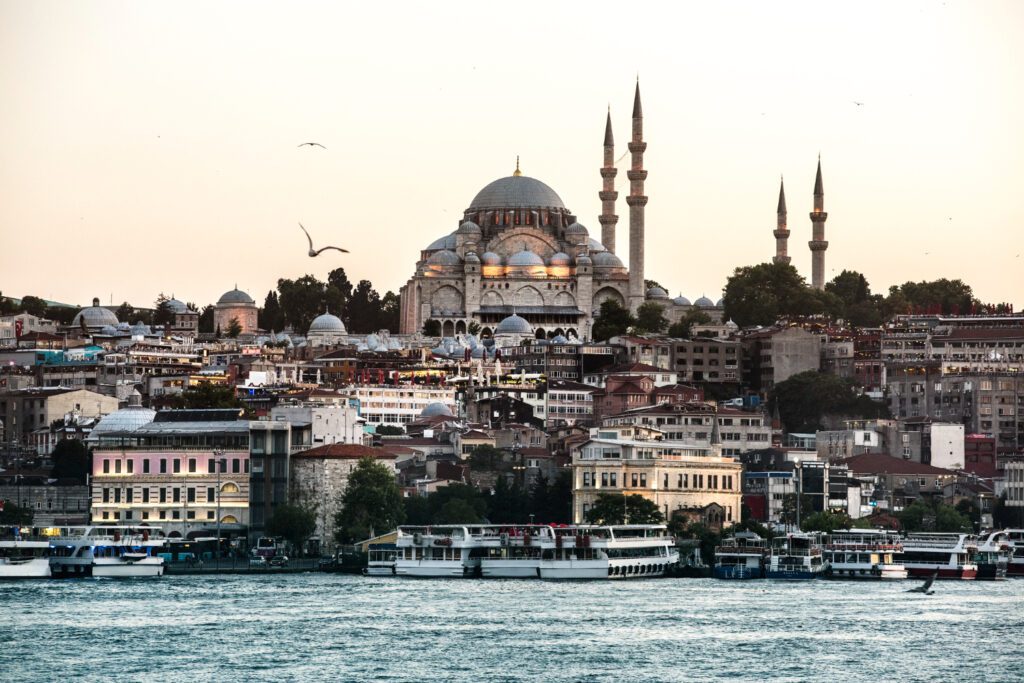
Süleymaniye Mosque (Süleymaniye Camii): Mimar Sinan’s Crowning Glory & Panoramic Vistas
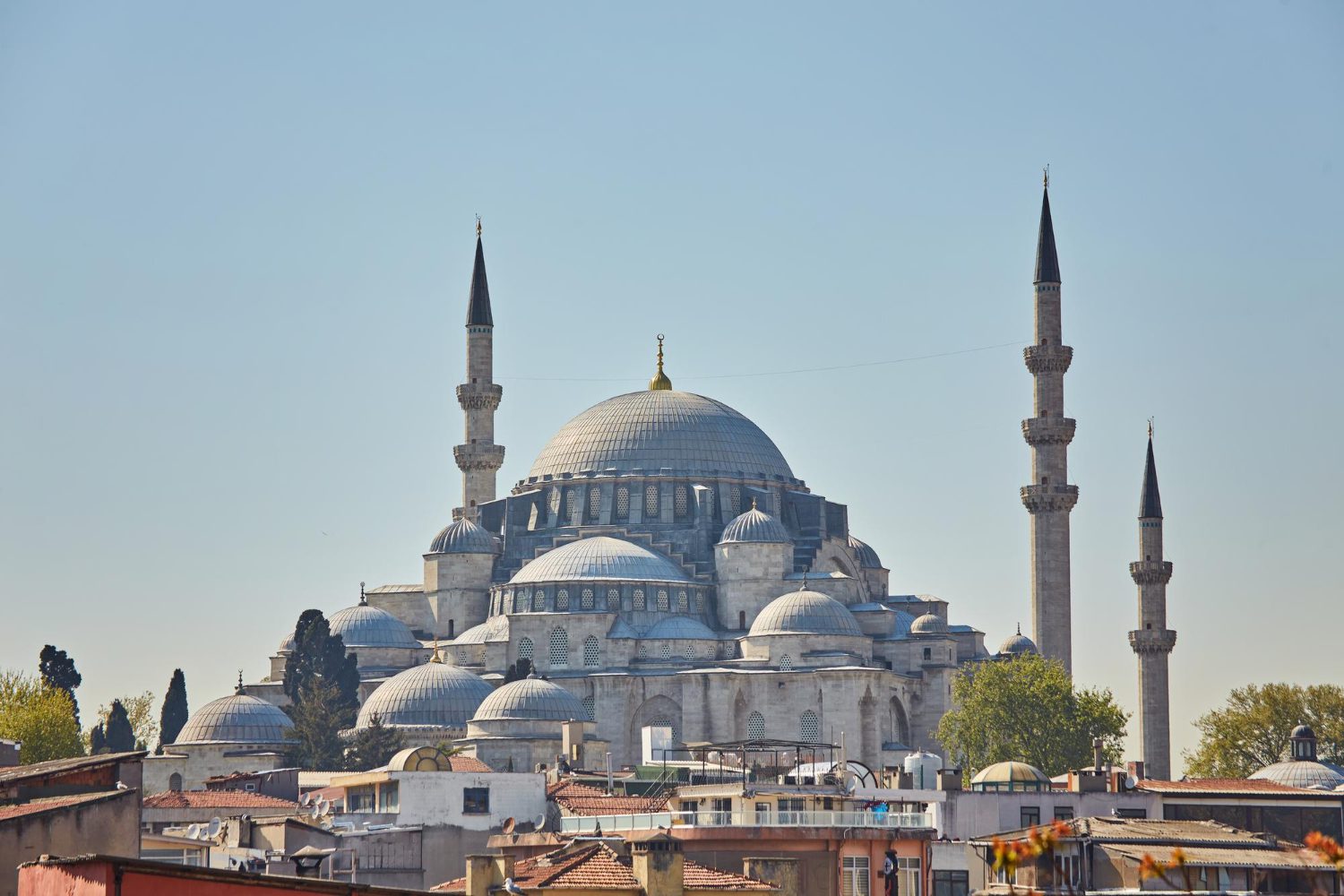
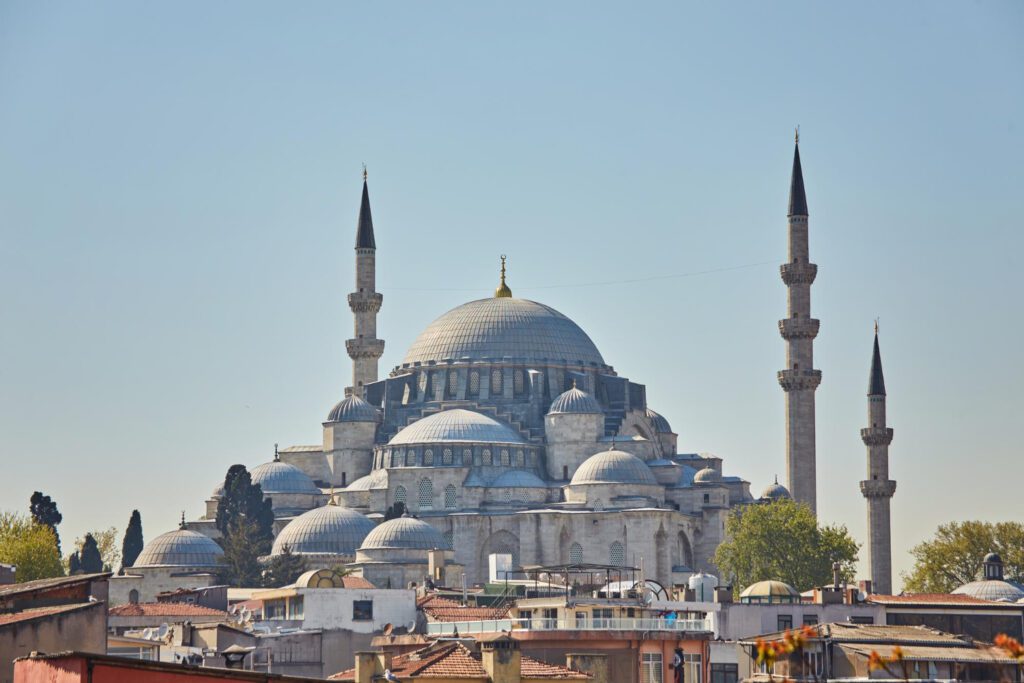
- History & Significance: Commissioned by Sultan Süleyman the Magnificent, the longest-reigning Ottoman Sultan, the Süleymaniye Mosque stands as an eternal monument to the golden age of the Empire. Built between 1550 and 1557 by the legendary imperial architect Mimar Sinan, it is widely regarded as one of his absolute masterpieces, a testament to his genius and the zenith of classical Ottoman architecture. Sinan himself reportedly called it his “journeyman” work, modestly placing it between his “apprentice” work (Şehzade Mosque) and his “master” work (Selimiye Mosque in Edirne).
- Architectural Highlights: The Süleymaniye is an architectural symphony of harmonious proportions and structural elegance. Its massive central dome, an impressive 53 meters high with a diameter of 26.5 meters, seems to float effortlessly, supported by semi-domes and a sophisticated system of arches and pillars. The four slender minarets, two with three şerefes and two with two, punctuate the skyline. Inside, the prayer hall is vast and light-filled, thanks to numerous windows, including those made of stained glass. The İznik tilework, while more restrained and classical than in some other mosques, is exquisite, particularly around the mihrab and minbar. The calligraphy is masterful, and the overall effect is one of grandeur, serenity, and perfect balance.
- The Külliye: The Süleymaniye boasts one of the largest and most comprehensive külliyes in Istanbul. Its beautifully landscaped terraced gardens contain the impressive tombs of Sultan Süleyman the Magnificent and his influential wife, Hürrem Sultan (Roxelana). The complex also originally included medreses (theological schools), a darüşşifa (hospital), a hamam, a caravanserai (inn for travelers), an imaret (soup kitchen), and shops, many of which still stand and serve various purposes today.
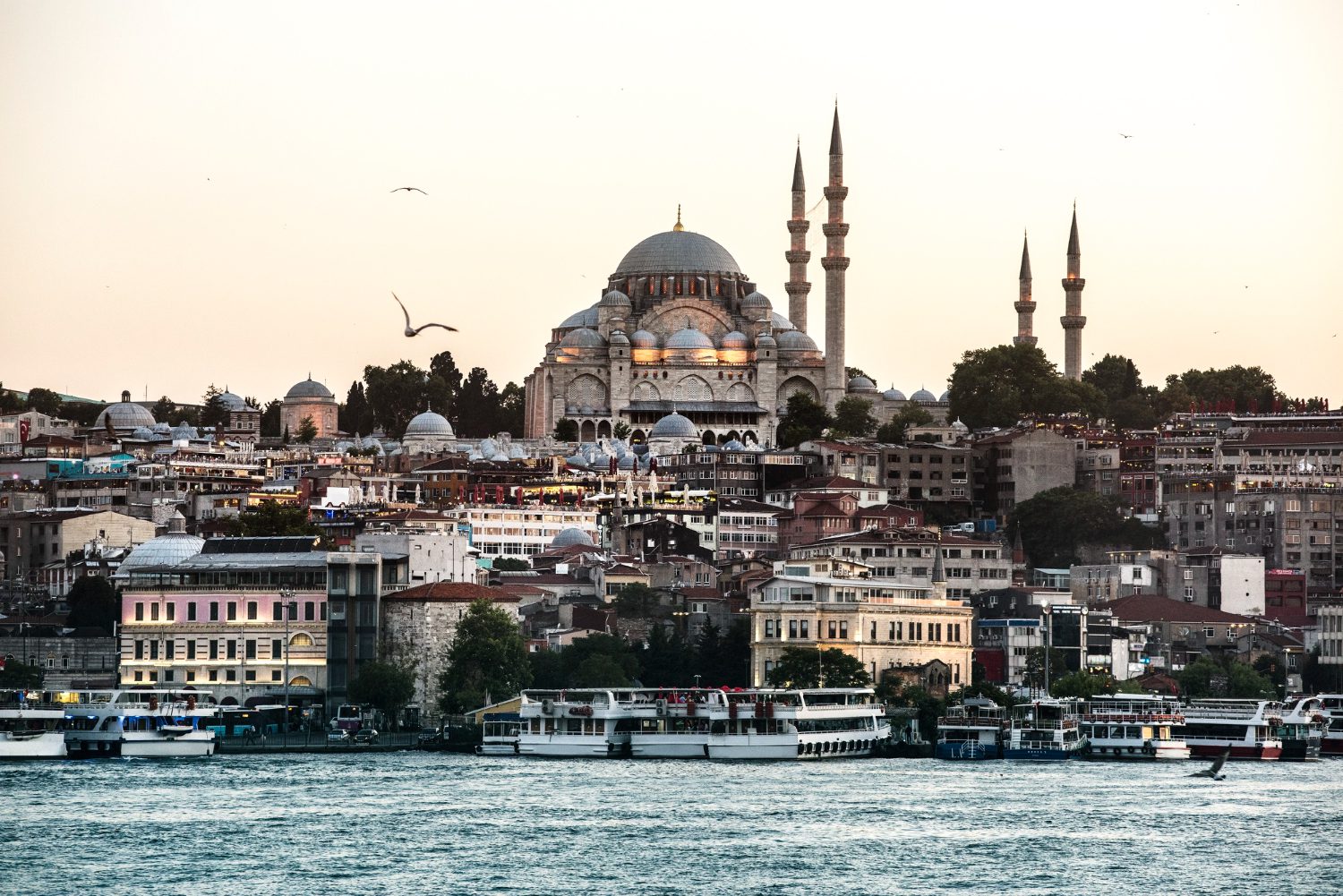
- Visitor Experience & Atmosphere: Despite its grandeur, the Süleymaniye often feels more serene and less overwhelmingly crowded than the Blue Mosque, allowing for a more contemplative visit. The vast courtyard offers a peaceful respite, and the gardens on the qibla (direction of Mecca) side provide breathtaking panoramic views over the Golden Horn, Galata, and the Bosphorus – arguably some of the best in the city.
- Location: Prominently situated on one of Istanbul’s seven hills, in the Süleymaniye neighborhood, overlooking the Golden Horn and easily accessible from the Grand Bazaar area.
Fatih Mosque (Fatih Camii): A Symbol of Conquest and Resilience
- History & Significance: The Fatih Mosque holds immense historical and symbolic importance. It was commissioned by Sultan Mehmed II, famously known as Fatih Sultan Mehmet (Mehmed the Conqueror), shortly after his conquest of Constantinople in 1453. Construction began around 1463 and was completed in 1470. Significantly, it was built on the site of the dilapidated Church of the Holy Apostles, the traditional burial place of Byzantine emperors, a clear statement of Ottoman sovereignty. This original mosque was a grand structure, but it was unfortunately destroyed by a devastating earthquake in 1766. The current mosque was entirely rebuilt between 1767 and 1771 under Sultan Mustafa III, in a different architectural style, incorporating Baroque influences alongside classical Ottoman elements.
- Architectural Highlights: The present-day Fatih Mosque is a commanding structure with a large central dome (26 meters in diameter) supported by four large semi-domes, creating a spacious and light-filled interior. It features an elegant courtyard with a şadırvan (ablution fountain) and two minarets with two şerefes each. While the decoration is more in line with 18th-century Ottoman Baroque taste, its scale and historical lineage are undeniable.
- The Külliye: The surrounding Fatih Külliyesi was one of the largest and most important of its time, housing numerous medreses that were leading centers of Islamic scholarship for centuries. The complex also includes the revered tomb of Fatih Sultan Mehmet, a significant site of pilgrimage for many.
- Visitor Experience & Atmosphere: Visiting the Fatih Mosque offers a deep dive into a historically resonant part of Istanbul. It’s less frequented by international tourist groups compared to Sultanahmet, providing a more local and authentic atmosphere. The mosque is a vibrant center for the surrounding conservative Fatih district, and its courtyard is often filled with local families and students from the nearby theological faculties.
- Location: Located in the heart of the Fatih district, on a prominent hilltop.
Eyüp Sultan Mosque (Eyüp Sultan Camii): A Sacred Site of Pilgrimage
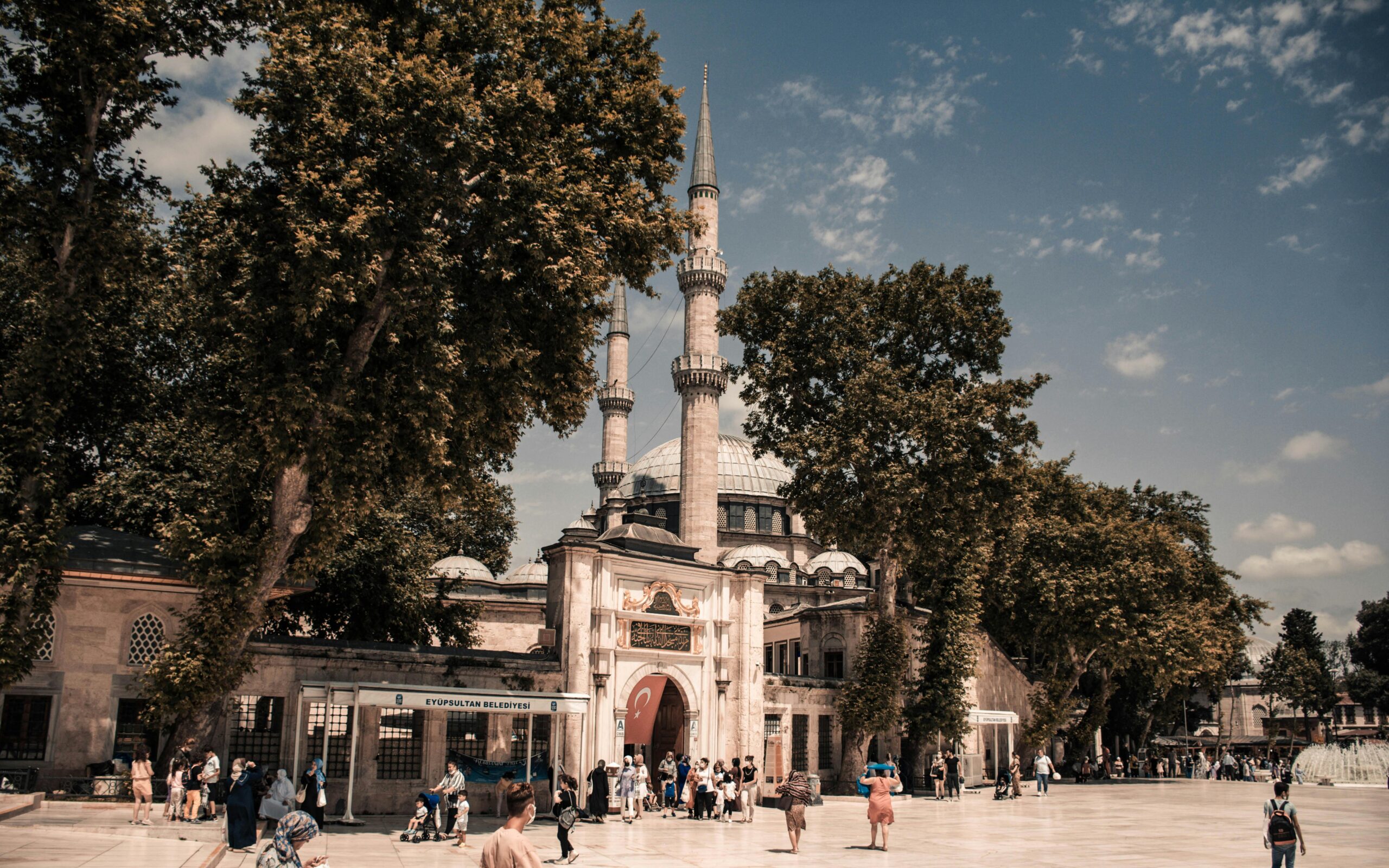
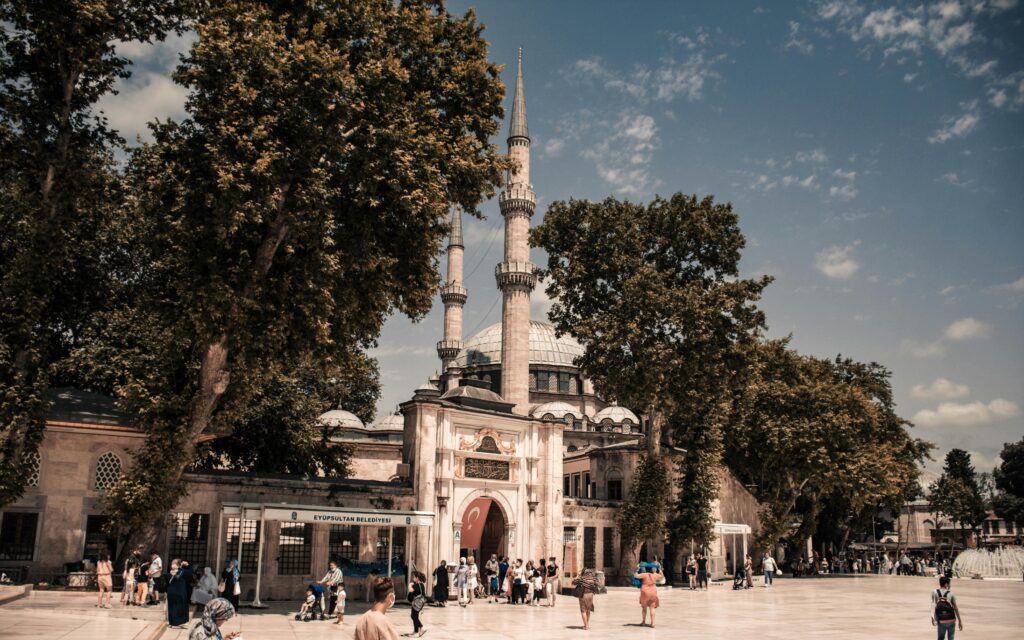
- History & Significance: Located outside the historic city walls, at the southern end of the Golden Horn, the Eyüp Sultan Mosque holds a uniquely sacred status for Muslims worldwide. It is built near what is traditionally believed to be the burial site of Abu Ayyub al-Ansari (Halid bin Zeyd Ebu Eyyüb el-Ensari, or Eyüp Sultan in Turkish), a close companion and standard-bearer of the Prophet Muhammad. He died during the first Arab siege of Constantinople in the 7th century. After the Ottoman conquest in 1453, his tomb was miraculously “rediscovered,” and Sultan Mehmed II commissioned the first mosque and tomb complex here in 1458. This made Eyüp one of the earliest Ottoman külliyes in Istanbul and an incredibly important pilgrimage site. The original mosque deteriorated over time and was replaced by the current, elegant structure, built between 1798 and 1800 under Sultan Selim III in the Ottoman Baroque style.
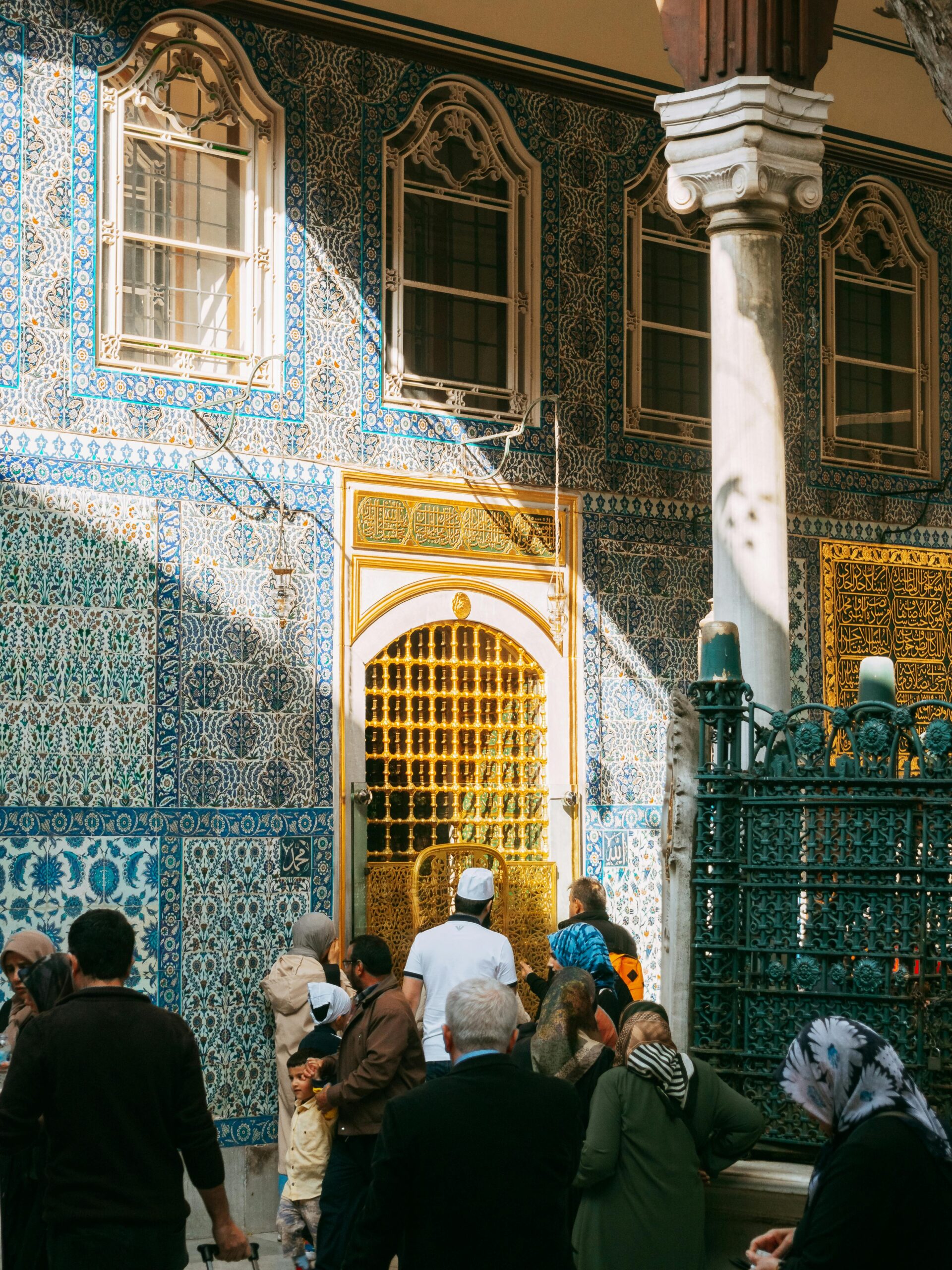
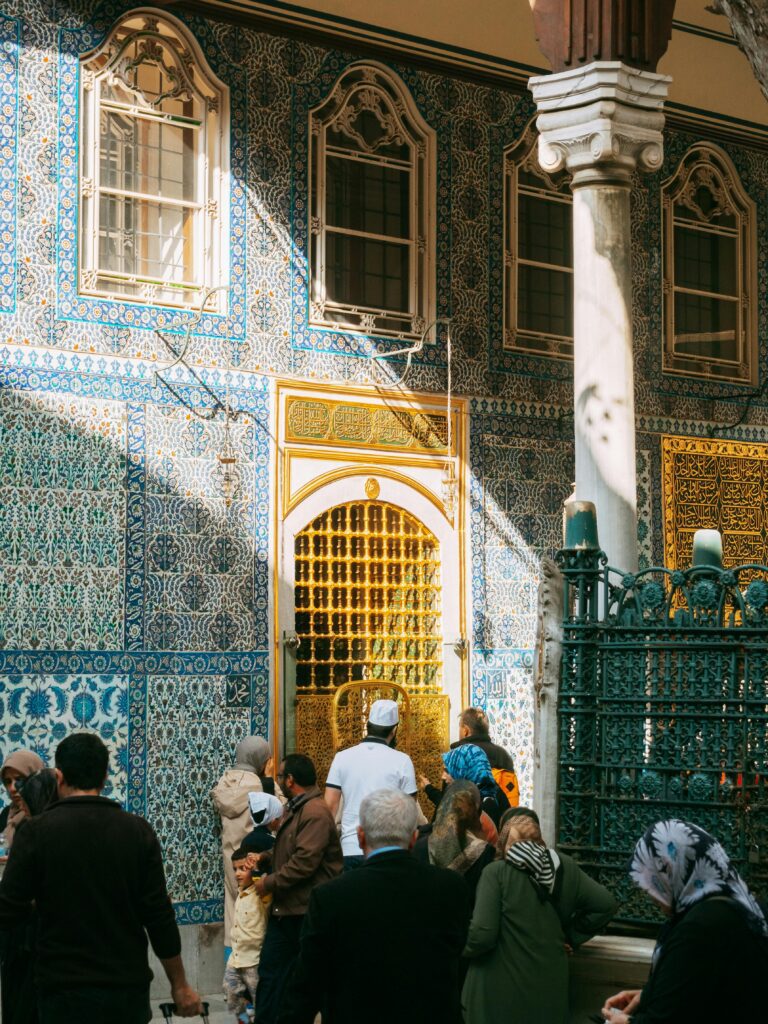
- Architectural Highlights: The present-day mosque features a graceful central dome, two slender minarets, and a beautifully serene courtyard paved with marble. The interior is richly decorated with tiles, calligraphy, and chandeliers, creating a luminous and spiritual atmosphere. However, the main focus for most visitors is the adjoining Tomb of Eyüp Sultan, which is lavishly adorned with İznik tiles from various periods and is a place of intense devotion and prayer.
- The Külliye & Atmosphere: The entire Eyüp district has evolved around the mosque and tomb, creating a unique spiritual ambiance. The complex itself includes a medrese, an imaret, and a hamam, though the surrounding area is now a vibrant neighborhood filled with shops selling religious items, sweets, and souvenirs. The square outside the mosque is often bustling with families, pilgrims, and children dressed in finery for their circumcision ceremonies (a tradition often celebrated here). For panoramic views of the mosque, tomb, and the Golden Horn, many visitors take the cable car up to the famous Pierre Loti Hill, named after the French novelist who frequented a cafe there.
- Visitor Experience: While Eyüp Sultan is a major destination for Muslim pilgrims and Turkish visitors, it often sees fewer international tourist groups than the imperial mosques in Sultanahmet or Fatih. This offers a chance to witness a deeply significant aspect of Islamic tradition and local life in Istanbul. The sense of devotion and history is palpable.
- Location: In the Eyüp district, at the upper reaches of the Golden Horn. It’s accessible by ferry, bus, or taxi.
Şehzade Mosque (Şehzade Camii): Sinan’s Early Masterpiece, A Prince’s Memorial
- History & Significance: The Şehzade Mosque, often called the “Prince’s Mosque,” holds a special place in the architectural legacy of Mimar Sinan and the history of the Ottoman Empire. It was commissioned by Sultan Süleyman the Magnificent in heartfelt memory of his beloved eldest son, Prince Mehmed (Şehzade Mehmet), who died tragically young in 1543 at the age of 22. Mimar Sinan, who would go on to design Süleymaniye and many other masterpieces, was entrusted with this project early in his career as Chief Imperial Architect. Completed between 1543 and 1548, the Şehzade Mosque is considered by many architectural historians to be Sinan’s first truly grand imperial commission and the first in which he achieved a perfectly centralized and symmetrical dome structure, a hallmark of classical Ottoman architecture.
- Architectural Highlights: The mosque is a stunning example of architectural harmony and elegance. It features a large central dome, impressively flanked by four semi-domes, creating a visually balanced and spacious interior. Two elegant minarets, adorned with intricate geometric carvings, stand at the corners of the prayer hall. The expansive courtyard (avlu) is surrounded by a portico with beautifully proportioned domes. Inside, the decoration is refined, with subtle İznik tile work, stained glass windows, and masterful calligraphy, all contributing to a serene and uplifting atmosphere. The mihrab and minbar are fine examples of Ottoman craftsmanship.
- The Külliye: The Şehzade complex also includes the beautifully decorated octagonal tomb (türbe) of Prince Mehmed, considered one of the finest in Istanbul with its rich tilework and painted dome. The külliye originally encompassed medreses, a tabhane (hospice), and an imaret.
- Visitor Experience & Atmosphere: The Şehzade Mosque is often much quieter and less crowded than the more famous imperial mosques, allowing visitors to appreciate its architectural beauty and serene ambiance in peace. It’s a place where one can truly admire Mimar Sinan’s burgeoning genius and the refined aesthetics of the classical Ottoman period. Its slightly off-the-main-tourist-track location contributes to its tranquil feel.
- Location: In the Şehzadebaşı neighborhood of the Fatih district, not far from the Valens Aqueduct.
A Guide to Respectful Visits: Mosque Etiquette in Istanbul
Visiting any mosque in Istanbul, whether it’s a grand imperial structure or a smaller neighborhood one, is a wonderful opportunity to appreciate stunning architecture and witness a living faith. To ensure your visit is respectful and welcomed, here are some key points of mosque etiquette to keep in mind:
-
Dress Code – Modesty is Key:
- For Everyone: Both men and women should dress modestly. This means ensuring your shoulders and knees are covered. Avoid shorts, mini-skirts, tank tops, or leggings.
- For Women: In addition to covering shoulders and knees, women are required to cover their heads with a scarf before entering the prayer hall. If you don’t have one with you, major tourist-frequented mosques (like the Blue Mosque, and often Süleymaniye) usually provide loaner scarves and sometimes robes at the entrance, free of charge. It’s always a good idea to carry your own lightweight scarf when sightseeing in Istanbul for this purpose.
- For Men: While long trousers are preferred, knee-length shorts might sometimes be tolerated if they are not overly casual (like beachwear). It’s best to err on the side of more conservative dress.
-
Removing Shoes: Before stepping onto the carpeted prayer area of the mosque, you must remove your shoes. This is a sign of respect and cleanliness. Plastic bags are usually provided near the entrance for you to carry your shoes with you, or you can leave them on the shoe racks provided outside the prayer hall.
-
Visiting Hours – Timing Your Visit: Mosques are active places of worship. While most are open to visitors throughout the day, it’s crucial to avoid visiting during the five daily prayer times (ezan vakitleri). These prayer times last about 20-30 minutes. The most important prayer of the week is the Friday noon prayer (Cuma Namazı), during which mosques will be particularly busy with worshippers and may be closed to tourists for a longer period (typically from late morning until early afternoon). Check the daily prayer times (posted at mosque entrances or easily found online) to plan your visit accordingly.
-
Behavior Inside the Mosque:
- Maintain a Quiet Demeanor: Speak softly and move quietly. Mosques are places of prayer and reflection.
- Respect Worshippers: Avoid walking directly in front of people who are praying. Give them space and do not disturb them.
- Photography: Photography without flash is generally permitted, but always be discreet. Avoid taking photos of people praying without their explicit permission. During active prayer times, photography is usually not allowed.
- Movement: You are generally free to walk around the designated visitor areas. The main prayer area (especially the front sections) might be sectioned off for worshippers.
-
Donations: Entrance to mosques in Turkey is free. However, you may find donation boxes for the upkeep and maintenance of the mosque. Donations are entirely voluntary but are appreciated.
By observing these simple guidelines, you can ensure your visit to any of Istanbul’s beautiful mosques is a positive and respectful experience for everyone.
Broadening Your Horizons: The Rewards of Exploring Further
While the magnetic pull of Sultanahmet Square’s iconic duo – the Blue Mosque and Hagia Sophia – is understandable, venturing out to explore Istanbul’s other lesser-visited imperial mosques offers a wealth of rewards. You’ll often encounter fewer crowds, allowing for a more personal and contemplative experience with the stunning architecture and serene atmosphere.
Discovering these hidden architectural gems in Istanbul provides a deeper understanding of the Ottoman Empire’s vast architectural legacy, particularly the evolution of Mimar Sinan’s genius. Each mosque, with its unique history and distinct külliye, tells a different story about the city’s past and the sultans who shaped it. Furthermore, visiting mosques in different neighborhoods allows you to see diverse parts of Istanbul and witness the vibrant local life that unfolds around these historic spiritual centers. It’s an invitation to see the city through a wider, more nuanced lens.
Unveiling More of Istanbul’s Imperial Grandeur
Istanbul’s imperial mosques are more than just breathtaking structures of stone, tile, and stained glass; they are profound expressions of faith, power, art, and centuries of history. While the Blue Mosque and Hagia Sophia rightly command global attention, the true depth of the city’s Ottoman architectural and spiritual heritage unfolds when you venture beyond these celebrated landmarks.
Exploring magnificent sites like the Süleymaniye Mosque, with its commanding views and Sinan’s genius; the Fatih Mosque, a symbol of conquest and resilience; the sacred Eyüp Sultan Mosque, a hub of pilgrimage; or the elegant Şehzade Mosque, a prince’s poignant memorial, offers a richer, more nuanced understanding of Istanbul’s soul. These lesser-visited imperial mosques Istanbul proudly preserves provide not only a visual feast but also often a more tranquil space for appreciation and reflection.
So, on your next visit to this captivating city, allow yourself to be drawn beyond the familiar silhouettes. Discover the serene courtyards, gaze up at the soaring domes, and immerse yourself in the timeless atmosphere of Istanbul’s other imperial marvels. Each one offers a unique story and a deeper connection to the city’s imperial grandeur, promising an unforgettable journey through faith, art, and history.
More Istanbul Exploration: “As you continue planning your Istanbul trip, browse all our blog posts for more tips and recommendations, and discover the popular Istanbul tours we’ve selected for you!”