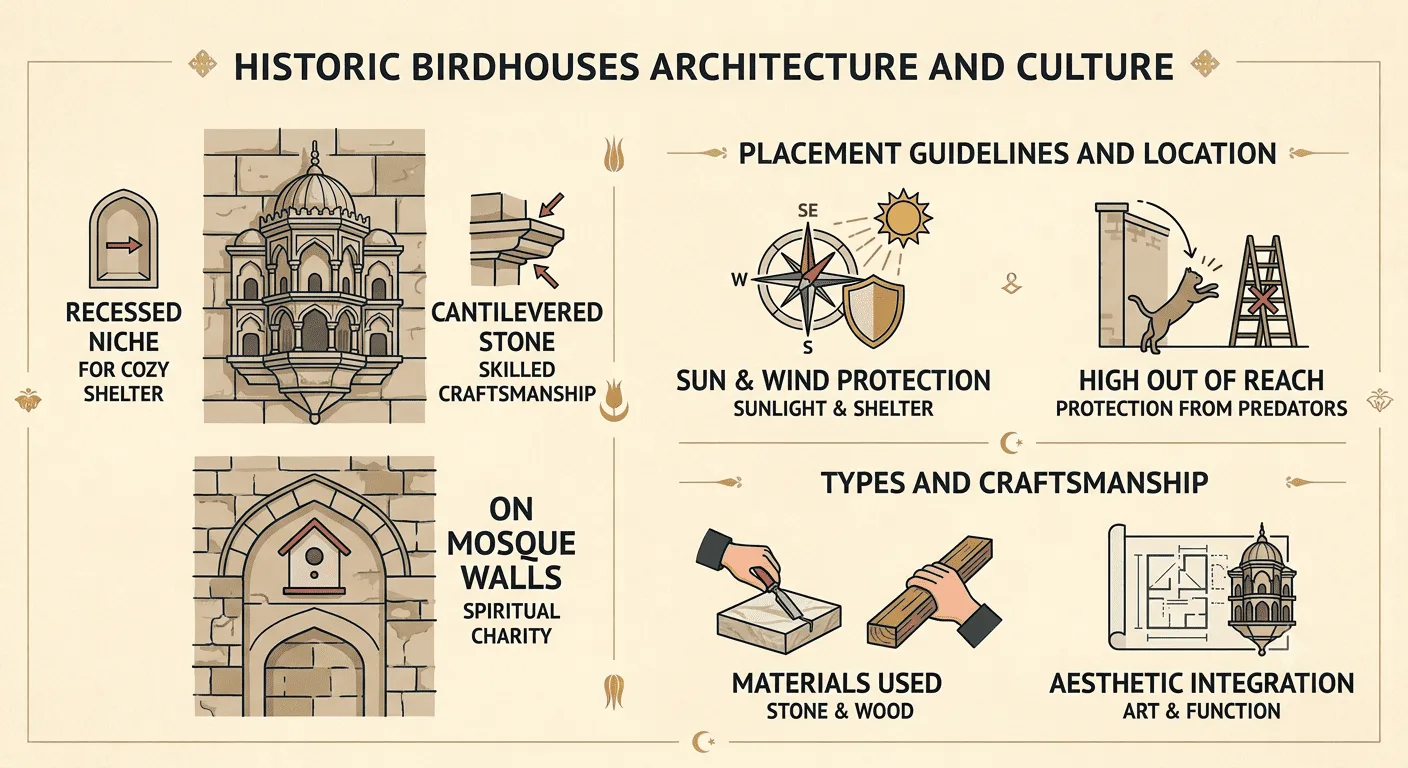
Historic Birdhouses Architecture And Culture
Long before modern urban planners began incorporating green initiatives into city designs, historic architects were quietly building delicate stone palaces for birds on the outer walls of mosques, schools, and private residences. When exploring Historic Birdhouses Architecture And Culture, travelers witness a profound blend of architectural mastery, spiritual compassion, and respect for nature. These miniature structures, built high above the bustling streets, transformed ordinary building facades into living sanctuaries for winged creatures.
Direct Answer: Historic Birdhouses Architecture And Culture refers to the artistic tradition of integrating carved miniature stone or wooden shelters into the outer facades of historic buildings. Primarily popular during the 16th to 19th centuries, these structures served a dual purpose: protecting birds from harsh weather and predators, while visually enriching public architecture as symbols of empathy, charity, and social grace.
The Origin And Meaning Of Miniature Bird Palaces
The tradition of crafting birdhouses directly into structural walls was rooted in a worldview that regarded every living creature as deserving of dignity and care.
Key Cultural Drivers:
-
Compassion for Living Beings: Charitable foundations were created not only for humans but also to feed stray animals and care for injured migratory birds. Building miniature homes on public structures was a natural extension of this philosophy.
-
Aesthetic Integration: Rather than hanging crude wooden boxes after construction, master architects incorporated birdhouses directly into their blueprints, turning functional shelters into intricate works of art.
-
Protection from the Elements: High walls protected sparrows, swallows, and pigeons from harsh winters, scorching summer heat, street cats, and human interference.
Architectural Styles And Craftsmanship
The diversity found within Historic Birdhouses Architecture And Culture reflects the evolution of stonemasonry and artistic trends over several centuries.
Common Architectural Features:
-
Miniature Palaces and Mosques: Many birdhouses were carved to mirror grand civic buildings, complete with multi-tiered roofs, arched windows, domes, and tiny balconies.
-
Cantilevered Stone Shelters: Built jutting out from high stone facades, these intricate carvings required immense skill to ensure they remained structurally sound against strong winds.
-
Recessed Niches: Simpler designs featured recessed niches cut deep into brickwork, offering cozy, sheltered nooks that blended seamlessly into residential walls.
Ideal Locations On Historic Facades
Architects followed strict rules when selecting where to place these delicate sanctuaries on a building.
Placement Guidelines:
-
High Out of Reach: Birdhouses were always placed high up on outer walls to protect the avian residents from predators like cats and dogs.
-
Sunlight and Wind Protection: Facades facing south or east were preferred to maximize morning sunlight while shielding birds from cold northern winds.
-
Away from Direct Human Traffic: They were positioned above eye level so that human movement along narrow streets would not startle the birds.
Where To Discover Fine Examples Today
Travelers seeking to experience Historic Birdhouses Architecture And Culture firsthand can still find hundreds of surviving examples hidden in plain sight across historic old towns.
Top Places to Spot Historic Birdhouses:
-
Courtyard Walls of Historic Mosques: Look up at the sunny outer walls of 16th to 18th-century stone mosques, where multi-story bird palaces remain carved into the masonry.
-
Public Libraries and Colleges: Old educational institutions often featured detailed bird shelters above their grand entrance portals as symbols of harmony and learning.
-
Bridges and Fountain Facades: Public water fountains (sebiyls) and stone bridges frequently contained small recessed niches designed to give flying birds a safe drinking and resting spot.
Frequently Asked Questions
What materials were used to build historic birdhouses?
Most surviving examples were carved directly from durable limestone or marble, though many residential birdhouses were constructed from sturdy timber.
Why were birdhouses built directly onto mosque walls?
Building them directly on sacred and public structures reflected the spiritual belief that caring for nature and animals was a form of charity.
Are these historic birdhouses still used by birds today?
Yes, many of these centuries-old stone structures continue to offer safe shelter to local sparrows and swallows in historic neighborhoods.


